Skip to content

Melbourne sports performance coach

Train Like an Elite

Sports Performance Coaching for Serious Athletes

Sport-science-led coaching for athletes who train six days a week and need a plan that survives contact.

Book a Performance Assessment
  • 8years in elite sport
  • AIScertified coach
  • 14tests in the opening battery

The coach

Three credentials, eight years, one method

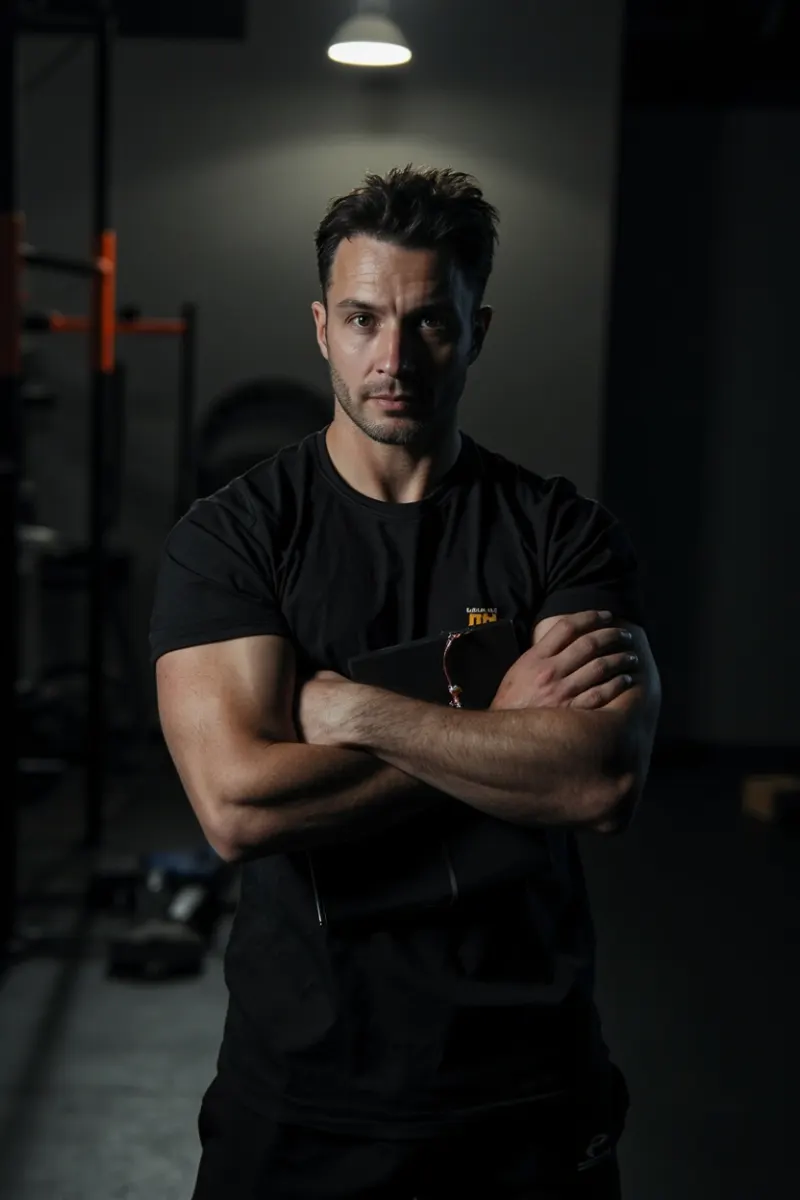
Sports performance coach standing in a dark indoor training gym with a notebook and stopwatch

Coach

Marcus Deakin

Eight years inside elite programs: two in the AFL's development pathway, three with national level swimmers, and the rest private.

He still coaches individual athletes four days a week so nobody becomes a spreadsheet. Book an assessment and you work with him, not a template.

Accreditation

AIS

AIS Certified Coach

Australian Institute of Sport accredited in strength and conditioning, with the safeguarding and concussion protocols that come with it.

Qualification

BExSci

Exercise Science Degree

Four years of biomechanics, exercise physiology and sport psychology. Every plan is written from that base, then cut to your sport.

What coaching costs

Coaching built around your sport and your calendar

Published prices, no packages, no contracts. Pay per session or commit to the twelve-week block.

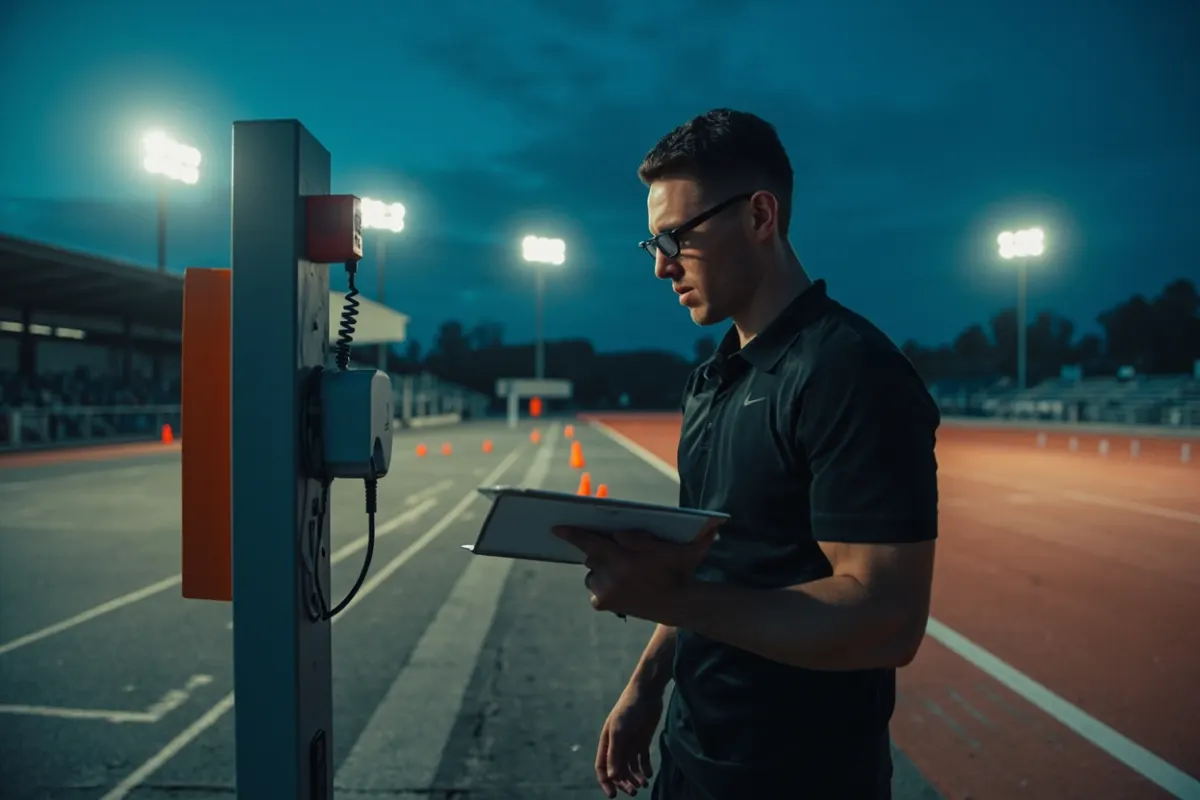
Sports scientist taking sprint timing measurements beside an empty running track at dusk

Most chosen

12-Week Athletic Development Program

$2,800

Twelve weeks of structured development: an opening test battery, a written twelve-week plan, three coached sessions a week, a weekly review with your program, and a re-test at the end so the change is on paper. It is the shortest cycle where a real adaptation shows up.

Start with a one-on-one assessment

1-on-1 Performance Coaching

Sixty minutes, one athlete, one plan. Gym work, field work, recovery and video review in the same session. Book it weekly, fortnightly or as a block.

$150 per session

Mental Performance Coaching

Pre-competition routines, focus under pressure, decision making when the game is on the line and the mental side of injury recovery. Run on its own or paired with physical work.

$130 per session

Video Analysis Sessions

Your serve, your swing, your tackle, your stroke, filmed from the right angles and broken down frame by frame. You leave with the clips and a written list of what to change.

$200 per session

Team & Group Training

Squad sessions, pre-season blocks and school or club programs. Quoted per group on headcount, venue and where you sit in the competitive calendar.

Custom quote per group

Travel within Melbourne CBD is included. Any session can be moved with 24 hours notice.

Performance tracking

Every session leaves numbers behind

A written plan with nothing attached to it is a wish list. Everything below is measured, dated and compared.

14

tests in the opening battery

Run over two sessions in week one, then repeated at week six and week twelve.

Metric How it is measured Target set by
10m and 30m sprint time Timing gates, three trials, best taken Sport benchmark
Countermovement jump Force plate, three attempts Sport benchmark
Isometric mid-thigh pull Dual force plate Your own baseline
Landing mechanics Force plate landing, two angles Injury history
Critical velocity Three-minute swim or row protocol Your own baseline

Worked example A returning AFL midfielder entered with a 3.94 second 30m split and a 41 centimetre countermovement jump. Week twelve: 3.71 seconds and 51 centimetres, on a hamstring that had missed six weeks of the previous season.

Which tracking domain fits your sport
Tracking domain Speed & power Most chosen Strength Movement Endurance & recovery
Best for AFL, basketball, athletics Martial arts, wrestling AFL, cricket, tennis Swimming, triathlon
Core tests Sprint gates, countermovement jump Isometric mid-thigh pull Landing mechanics, mobility screen Critical velocity, sleep quality
Re-test cycle Weeks 6 and 12 Weeks 6 and 12 Weeks 6 and 12 Weeks 4, 8 and 12
Typical shift in 12 weeks 5 to 9 percent sprint time 8 to 14 percent peak force Clear landing change by week 4 2 to 4 percent critical velocity

Sports served

Eight sports, one method

The testing and the programming are the same. What changes is the sport, the load and what you are judged on.

01

AFL

Repeated sprint ability, aerial contest power and hamstring resilience across a home and away block.

14 to 18 sessions in season

02

Cricket

Rotational power through the crease, bowling endurance and a trunk that survives eighty overs.

Batted in the off season

03

Basketball

Cutting and landing quality, jumping height and repeated efforts across four quarters.

Built around club schedule

04

Tennis

Serve velocity, shoulder and trunk resilience and lateral movement that holds through a long rally.

Video included

05

Swimming

Underwater offloading, shoulder health and a stroke held together under fatigue.

Pool or land based

06

Triathlon

Power to weight ratio, transition speed and holding output through the run off the bike.

Race block planning

07

Martial Arts

Explosive power output, grip and neck strength, and aerobic capacity for five round fights.

Fight camp aware

08

General Athletics

Sprint mechanics, force production and event specific power for track and field athletes.

Sprints, jumps or throws

Philosophy

Train to compete, not to train

Fitness is the by-product. What an athlete actually needs is a body that does the right thing when it matters, and a head that does not blink.

01

Test before you train

Nothing goes into the program until it has been measured. A number on a screen decides whether a block is loaded, held or cut.

02

Load the sport, not the gym

The gym serves the field. Every session is built around the positions, speeds and demands of the game you actually play.

03

Deload before you break

Weeks are planned in cycles with planned reductions. Fatigue that is not managed becomes the next soft-tissue injury.

04

Train the head too

Focus, confidence and pressure routines are coached alongside the physical work, because the last ten per cent is rarely strength.

Twelve weeks in, my numbers moved for the first time in two years. Then the third week of the season I actually played like I trained.

Will Freeman, AFL reserves forward, 12-week program
Coach in black training kit kneeling beside an athlete and pointing at a tablet of movement data
On the gym floor, working through movement data with an athlete before the session starts.

Methodology

Sport science, applied to your sport

The method follows the AIS long-term athlete development framework: build the base before the peak, and re-test before adding more.

01

Assessment

Two sessions covering fourteen tests, plus a movement screen and a history of every injury you have had. The output is a baseline you can argue with and a list of the two or three things actually holding the athlete back.

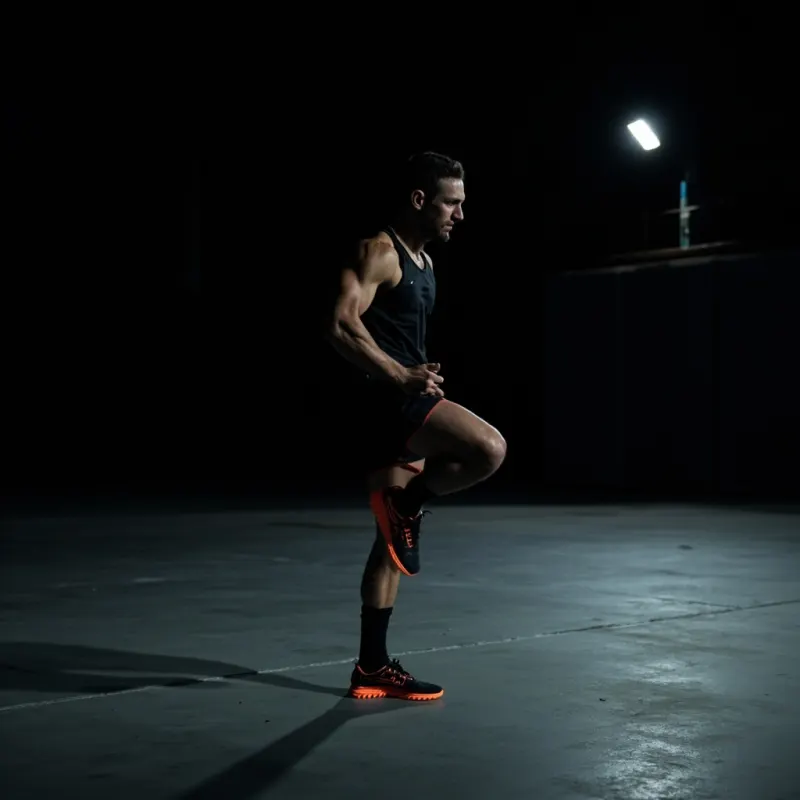
Athlete performing a single-leg landing drill in a dark training hall

02

Build

A written twelve-week plan built in four three-week cycles. Each cycle loads one physical quality, then holds it while the next is added. Weeks are matched to the club or competition calendar so training does not fight the season.

Athlete's hands gripping a heavy barbell on a gym platform with chalk in the air

03

Monitor

Weekly check-ins on session load, soreness, sleep and readiness, plus the metrics that matter for the sport. Nothing is adjusted on how the session felt alone. If a number moves badly, the plan moves with it.

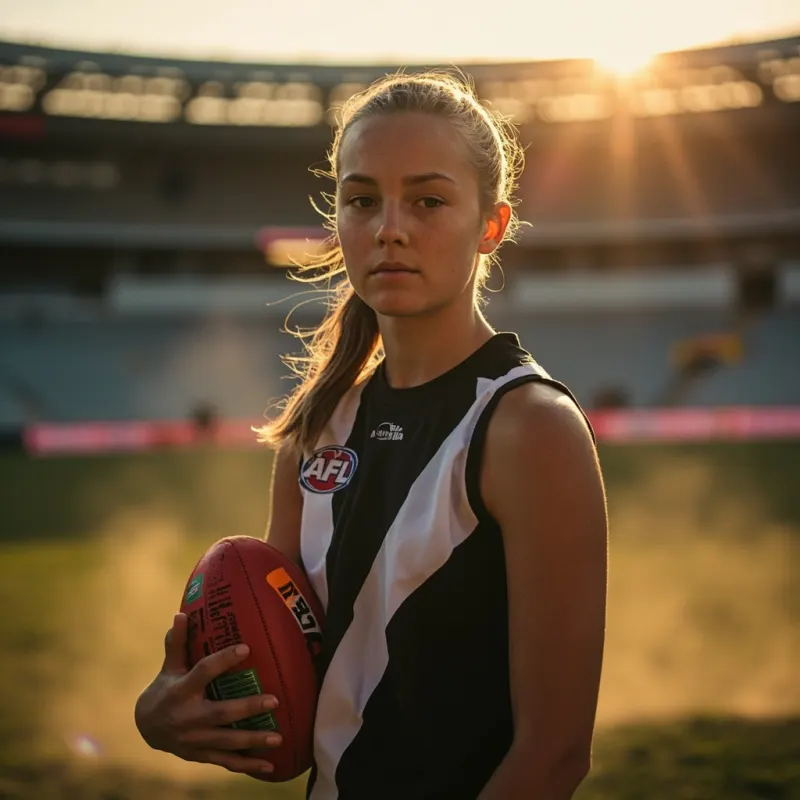
AFL footballer holding a football on the oval at golden hour

04

Adjust

The plan is rewritten at the end of every cycle. If a hamstring history shows up in week four, the loading changes in week four rather than after the injury does.

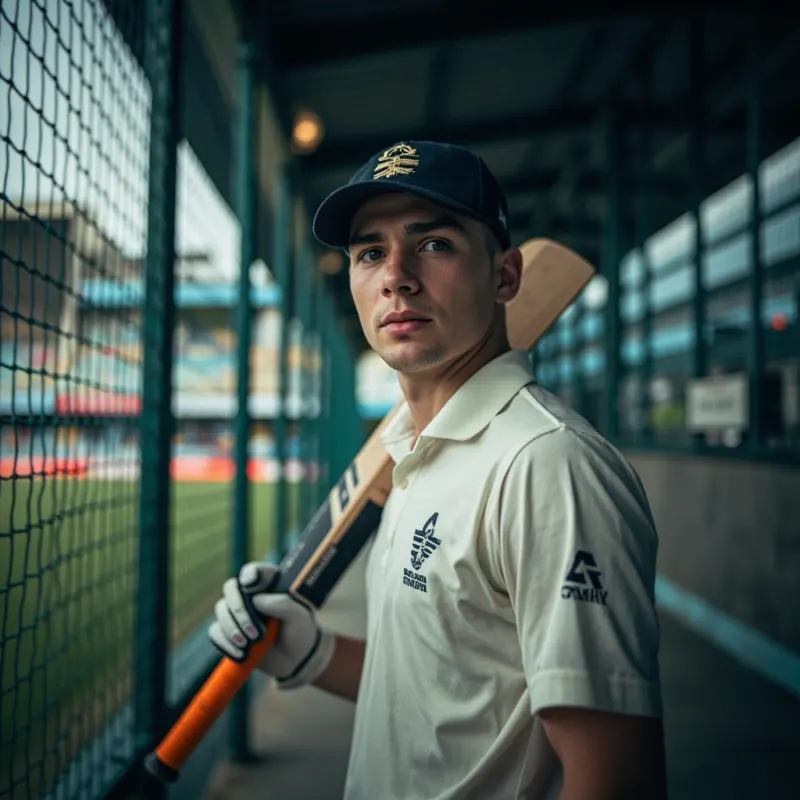
Cricketer in white uniform holding a bat in the nets pavilion

05

Re-test

The same fourteen tests at week twelve, same conditions, same order. The report compares every measure against the baseline and against the sport benchmark, so the athlete and the coach argue about evidence instead of memory.

Coach reviewing movement data on a tablet with an athlete on the gym floor

From the athletes

What changed on the field

My hamstring went every single season. We found that it was never strength, it was that I was sprinting flat out twice a week with no deceleration work. Twelve weeks later I have not missed a session.

Young female AFL footballer holding a football on the oval at golden hour

I came in for a shoulder that would not take a spinner. We looked at my actual cricket, not the gym, and the video work changed my release point within five weeks.

Young male cricketer in white uniform holding a bat in the nets pavilion

The first four weeks were strength work I had never done before. By week eight I was hitting a serve that had been in the top of my range for two years, and it has not dropped off.

Book

Book a performance assessment

The first session is ninety minutes and costs nothing. You get the testing, the findings and a written plan to take away, whether or not you coach with me.

Session schedule this week

Assessment, 90 minutes Tuesday 6am or Thursday 5pm 2 slots
1-on-1, 60 minutes Mon to Fri, 6am to 8pm 6 slots
Mental performance, 60 minutes Wed evenings, Saturday mornings 3 slots
Video analysis, 60 minutes Thursday and Friday afternoons 2 slots

Training floor hours

Monday to Thursday6:00am to 8:00pm
Friday6:00am to 6:00pm
Saturday7:00am to 1:00pm

Send the details and you will have a time within one working day.

  1. We book a ninety-minute assessment at the Thornbury training floor.
  2. You are tested and filmed, then we go through the results on the day.
  3. You leave with a written plan. We go from there to whichever service fits.

Before you book

Questions athletes ask first

Training floor

The floor is in Thornbury, five minutes from Bell Street station, with gym and field space on site. Sessions can be moved with 24 hours notice, and club and school groups are quoted separately.

Marcus DeakinHead coach, Apex Perform

What does sports performance coaching include?

Every engagement starts with a full performance assessment, then a written plan built around your sport and calendar. Sessions cover strength and conditioning, movement quality, recovery, and the mental skills that hold a plan together when training gets hard. You get session notes and tracked metrics after every session, so the plan is never guesswork.

How much does 1-on-1 performance coaching cost in Melbourne?

One-on-one performance coaching is $150 per session, and mental performance coaching is $130 per session. The 12-Week Athletic Development Program is $2,800, which works out to about $233 a week including testing, programming and the weekly review.

How long does an athletic development program take?

The 12-Week Athletic Development Program runs for twelve weeks, which is long enough to run a full test and re-test cycle and load the plan through a pre-season block. Some athletes extend to a second twelve-week block once the first one lands.

What performance metrics are tracked?

Fourteen measures in the opening battery, then the metrics that matter for your sport: sprint times and repeat sprint ability, maximal and isometric strength, countermovement jump and landing mechanics, and endurance markers such as critical velocity and sleep quality. The 12-week block re-tests the same measures so change is measurable, not assumed.

How do I know if mental performance coaching works?

Mental performance coaching starts with the same rigor as the physical work: a baseline on pressure response, focus routines and confidence under load, then weekly session blocks that build specific tools for your sport. Athletes report fewer blown fourth quarters and tighter pre-competition routines before they report feeling different in the gym.

Do you work with teams and clubs?

Yes. Team and group training is quoted per group based on size, venue and the competitive calendar. Club and school programs run through the pre-season and the run-in, and a club quote covers on-site testing, squad programming and coach briefings.